
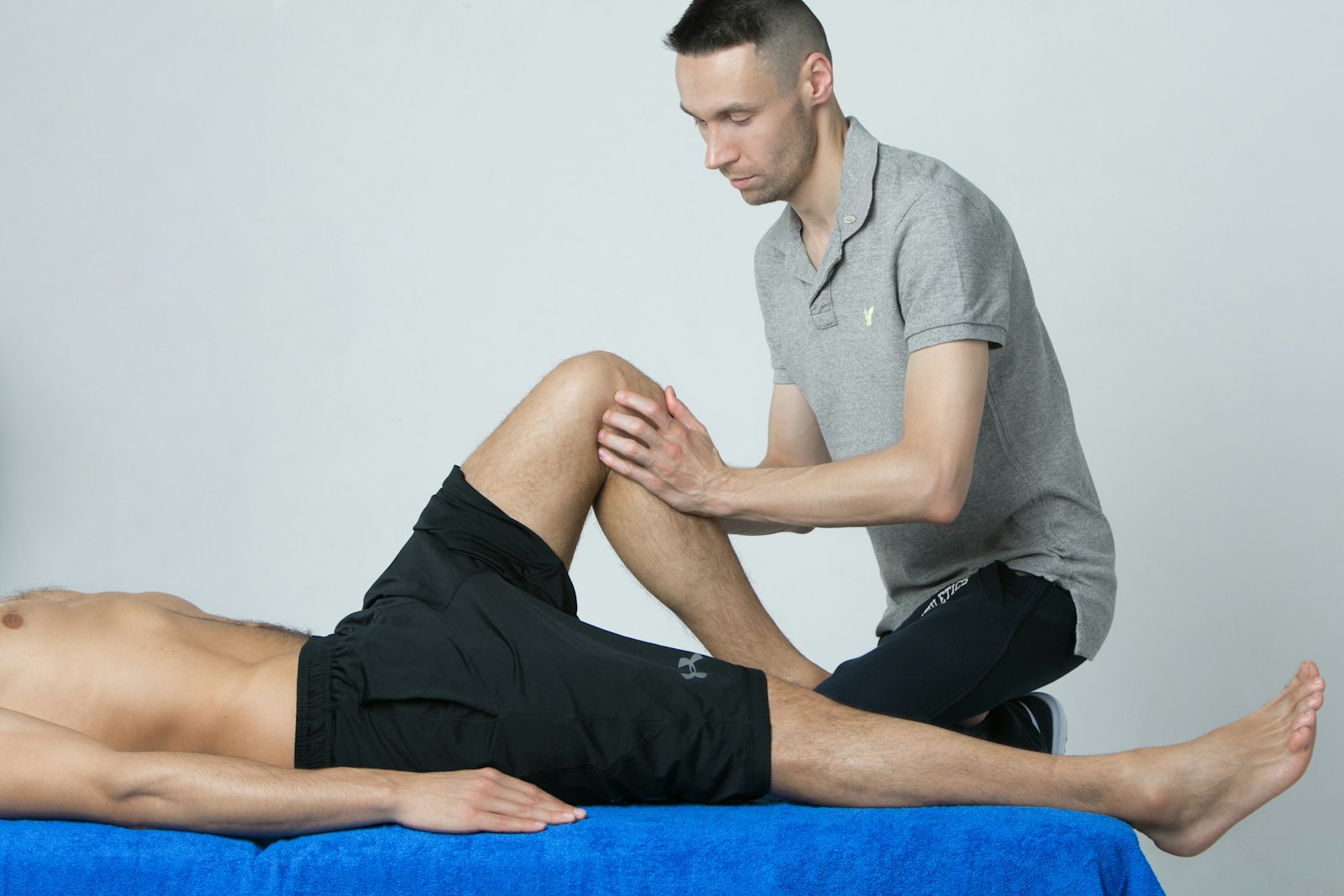
Yes. A licensed chiropractor can own a sports medicine franchise in Texas, and in many ways a Doctor of Chiropractic is one of the most natural fits for this kind of business. Your clinical training, your license, and your familiarity with musculoskeletal care line up closely with how an integrated sports medicine clinic actually runs.
The part that trips people up isn't whether a chiropractor can own the clinic — it's separating two things that feel like one: owning the business and practicing inside it. They're governed by different rules, and once you see the line between them, the path gets a lot clearer. Here's how scope of practice, Texas licensing, and ownership rules fit together.
The short answer, and why chiropractors fit so well
Chiropractors already do much of what a sports medicine clinic is built around: assessing how the body moves, diagnosing musculoskeletal problems, and delivering hands-on, non-surgical care. That's the center of gravity for a sports medicine practice, which is why so many Alpha Sports conversations start with a DC on the other end of the phone.
It also helps that the field itself is expanding. The U.S. Bureau of Labor Statistics projects employment of chiropractors to grow 9 percent from 2025 to 2035 — much faster than the 3 percent average across all occupations — citing demand for non-surgical, drug-free approaches to pain and broad acceptance of integrative care. A chiropractor stepping into ownership isn't betting on a niche; they're planting a flag in one of the steadiest corners of healthcare.
Where a DC has a real edge over a non-clinical investor is credibility. You understand the care being delivered, you can speak the language of the providers you hire, and patients and referral sources read your credentials as a signal of quality. That clinical authority is worth a great deal, and it's part of why clinical credentials can anchor a sports medicine franchise.
What Texas law actually says
Texas sets clear rules about what chiropractors can do and who can own a healthcare practice. None of them closes the door on chiropractor ownership — but it's worth understanding the framework before you sign anything, and worth confirming the specifics with your own attorney and the state board.
Your license and scope of practice
In Texas, chiropractic is regulated by the Texas Board of Chiropractic Examiners, and a chiropractor's scope of practice is defined by Texas Occupations Code Chapter 201. In broad terms, a Texas DC uses objective and subjective methods to evaluate the biomechanical and musculoskeletal condition of the body, then performs non-surgical, non-incisive procedures — including adjustments and manipulation — to improve the function of the spine and musculoskeletal system.
That scope shapes what you personally can deliver under your license. It does not shape the full range of services the clinic can offer, because a clinic isn't limited to a single discipline. A sports medicine clinic can provide physical therapy, massage therapy, athletic training, dietetics, and more — each performed by a provider licensed in that discipline. Your license governs your clinical work; it doesn't cap the clinic's menu.
Who is allowed to own the clinic
This is where Texas gets particular. The state's corporate practice of medicine doctrine generally restricts non-physicians from owning a practice that delivers the practice of medicine. Chiropractors, though, are licensed under their own board and their own chapter of the Occupations Code — you're not a layperson trying to own a medical practice; you're a licensed healthcare provider operating within your own regulatory framework.
The practical upshot: a licensed chiropractor owning and operating a chiropractic and multidisciplinary wellness clinic in Texas is well-established. Where ownership structures get more intricate is when a clinic also delivers services that fall under the Texas Medical Board's authority, because the providers who deliver each service must be appropriately licensed and the ownership entity has to be structured correctly. This is exactly the kind of detail a franchisor has already worked through, and exactly the kind of thing you should still review with a healthcare attorney for your own situation. Rules change, and your facts are yours alone.
Owning the clinic and practicing in it are two different hats
Here's the distinction that unlocks everything. As an owner, you hold the business — the lease, the brand license, the staff, the systems. As a clinician, you treat patients within your scope. You can wear both hats, one hat, or hand the clinical hat to your team entirely.
Some chiropractor-owners want to keep adjusting patients and simply add a business they believe in. Others are ready to step back from full-time clinical work and lead the operation, letting the providers they hire carry the day-to-day care. Both are legitimate. What you cannot do is personally deliver services outside your license — you don't perform physical therapy or dietetic counseling yourself unless you hold those credentials. You hire the licensed professionals who do. Owning the clinic never means practicing beyond your scope; it means employing the people whose scope covers the rest.
What a DC brings to an integrated model
An integrated sports medicine clinic coordinates several disciplines around one patient, rather than sending that patient out for referrals. If you want the full picture of how that works, our explainer on what integrated sports medicine is walks through the model. For a chiropractor, the integrated approach solves a problem you've probably already run into in solo practice.
Think about a recreational runner with knee pain. You can assess joint function and deliver adjustments. But that patient may also need a structured rehab program, soft-tissue work, and guidance on training load so the injury doesn't return. In a single-discipline clinic, you treat your part and refer the rest — and often that patient never comes back. In an integrated clinic, the physical therapist, massage therapist, and athletic trainer are down the hall, and the patient completes their recovery under one roof.
For you as a clinician-owner, that means fewer patients walking out the door mid-recovery. For you as a business owner, it means a clinic that can serve more of what each patient needs. It's a meaningful contrast to the ceiling a solo practice runs into, where your calendar and your single license define the limit.
Steps a licensed chiropractor takes toward ownership
The path from interested DC to clinic owner is more methodical than dramatic. In broad strokes:
- Confirm your license is in good standing. Your active Texas chiropractic license is an asset in the process — keep it current with the board's continuing-education requirements.
- Review the Franchise Disclosure Document. The FDD lays out the investment, obligations, and the relationship in detail. For Alpha Sports, Item 7 lists a $50,000 franchise fee and a total estimated initial investment of $405,950–$605,320. Read Item 7 and the full document carefully, and have an attorney and accountant review it with you.
- Decide which hat you'll wear. Will you treat patients in the clinic, lead the business, or both? This shapes your hiring plan and your day-to-day role.
- Plan your clinical team. Identify the licensed providers — physical therapists, massage therapists, athletic trainers, and others — who will deliver the services outside your scope.
- Verify the ownership structure with counsel. Work with a Texas healthcare attorney to confirm the entity is structured correctly for the services your clinic will offer.
A franchisor's role is to compress that learning curve. Rather than reverse-engineering clinic operations, staffing models, and compliance on your own, you step into a system that has already solved those problems. You can see more about what that support looks like on the Alpha Sports opportunity page.
Frequently asked questions
Can a chiropractor own a sports medicine franchise in Texas?
Yes. A licensed Texas chiropractor can own and operate a sports medicine clinic. Your chiropractic license governs the care you personally deliver, while the clinic can offer a broader range of services through providers licensed in those disciplines. Confirm your specific ownership structure with a Texas healthcare attorney.
Does owning the clinic let me practice outside my scope?
No. Ownership and clinical scope are separate. You can own the business and employ physical therapists, massage therapists, and athletic trainers, but you may only personally deliver services your chiropractic license covers. The providers you hire handle everything else within their own scope.
What defines a chiropractor's scope of practice in Texas?
Texas Occupations Code Chapter 201 and the Texas Board of Chiropractic Examiners define it. In general terms, a chiropractor evaluates the biomechanical and musculoskeletal condition of the body and performs non-surgical, non-incisive procedures such as adjustments and manipulation.
Do I have to keep treating patients if I own the clinic?
No. Some chiropractor-owners stay hands-on with patients; others step back to lead the business while their clinical team delivers care. The model works either way, and you can adjust your role over time.
Why might a chiropractor choose a franchise over opening solo?
A franchise offers an established brand, proven operating systems, and a multidisciplinary care model already built out — which can help a clinic serve patients end-to-end rather than referring them away. You can compare the trade-offs in our breakdown of a franchise versus solo practice.
If you're a chiropractor weighing clinic ownership, the clearest next step is a conversation. Reach the Alpha Sports franchise team at franchise@ASPMFranchise.com or call (402) 852-5742 to talk through how your license and goals fit the model — and you can review common ownership questions on our FAQ page first.
Photo by yury kirillov on Unsplash