Content:
- 1. The Two Ownership Paths in Sports Medicine Franchising
- 2. How the Operator-Owner Model Works at Alpha Sports
- 3. What Operator-Owners Actually Do Day-to-Day
- 4. The Clinical Standard Stays Intact
- 5. Where Operator-Owners Have an Advantage
- 6. Where Clinician-Owners Have an Edge
- 7. Is the Operator-Owner Path Right for You?
- 8. Frequently Asked Questions
For entrepreneurs and multi-unit franchisees evaluating healthcare brands for their portfolio, one question almost always surfaces before any other: do I need a clinical license to own this business?
It’s a fair question. The traditional image of a medical practice — a doctor in a white coat who is also the proprietor — suggests the owner must also be the practitioner. But the modern multidisciplinary sports medicine clinic operates on a fundamentally different structure, one that intentionally separates clinical leadership from business ownership.
At Alpha Sports Performance Medicine, both paths are open. Licensed clinicians can own and lead their own franchise location. Entrepreneurs, business owners, and operator-investors without a clinical background can also own an Alpha Sports franchise, hiring qualified clinicians to deliver care while they focus on building the business itself.
This guide walks through how the operator-owner path actually works at Alpha Sports — how the structure is set up, what these owners do day-to-day, why the clinical standard remains intact regardless of who owns the location, and how to decide whether this model fits your background.
The Two Ownership Paths in Sports Medicine Franchising
Sports medicine franchising attracts two distinct candidate profiles, and Alpha Sports was designed to accommodate both.
The first is the clinician-owner: a chiropractor, physical therapist, or sports medicine provider who wants the autonomy of ownership without having to rebuild every operational system from scratch. For this candidate, the franchise model offers a proven clinical playbook, established marketing systems, vendor relationships, and brand recognition that would otherwise take years to develop in solo practice.
The second is the operator-owner: an entrepreneur, existing business owner, multi-unit franchisee, or investor-operator who recognizes healthcare as a service category with sustained, durable demand and wants to add a clinical brand to their broader portfolio. This candidate doesn’t deliver care — they build, staff, and lead the business that delivers care.
Both paths are legitimate, and the franchise model exists precisely because clinical excellence and business operations are different disciplines. Very few professionals are equally skilled at both, and a franchise system removes the assumption that they have to be.
How the Operator-Owner Model Works at Alpha Sports
Every Alpha Sports clinic delivers a multidisciplinary set of services — chiropractic care, physical therapy, sports massage, dry needling, shockwave therapy, recovery services, athletic training, and sports psychology. These services are delivered by licensed, credentialed clinicians who specialize in their respective disciplines.
When a non-clinician owns the franchise, the structure breaks down like this:
- The operator-owner holds the franchise unit, manages business operations, leads hiring decisions, oversees local marketing and community partnerships, and is accountable for the overall performance of the location.
- The clinical team is composed of credentialed professionals hired into roles defined by Alpha Sports’ clinical model. Lead clinicians manage care delivery, treatment plans, and clinical compliance within their scope of practice.
- Alpha Sports corporate provides the clinical protocols, training systems, technology stack, vendor relationships, and ongoing operational support that connect the business side and the clinical side.
State requirements for healthcare business ownership vary, and the corporate practice of medicine doctrine treats different clinical disciplines differently across state lines. Alpha Sports’ franchise development team works through these structural details with each prospective owner during discovery so that the chosen ownership structure is compliant in the franchisee’s intended market.
The practical effect of this division of labor is that an operator-owner is never asked to weigh in on clinical decisions — what treatment a patient receives, how a care plan progresses, whether a clinician’s judgment was correct in a given case. Those decisions sit with the licensed clinical team, governed by the Alpha Sports protocols and the clinicians’ own scope of practice. The operator-owner’s accountability runs to the business side: is the team supported, is the schedule full, is the patient experience excellent, are the marketing systems producing new-patient flow, is the location operating efficiently.
What Operator-Owners Actually Do Day-to-Day
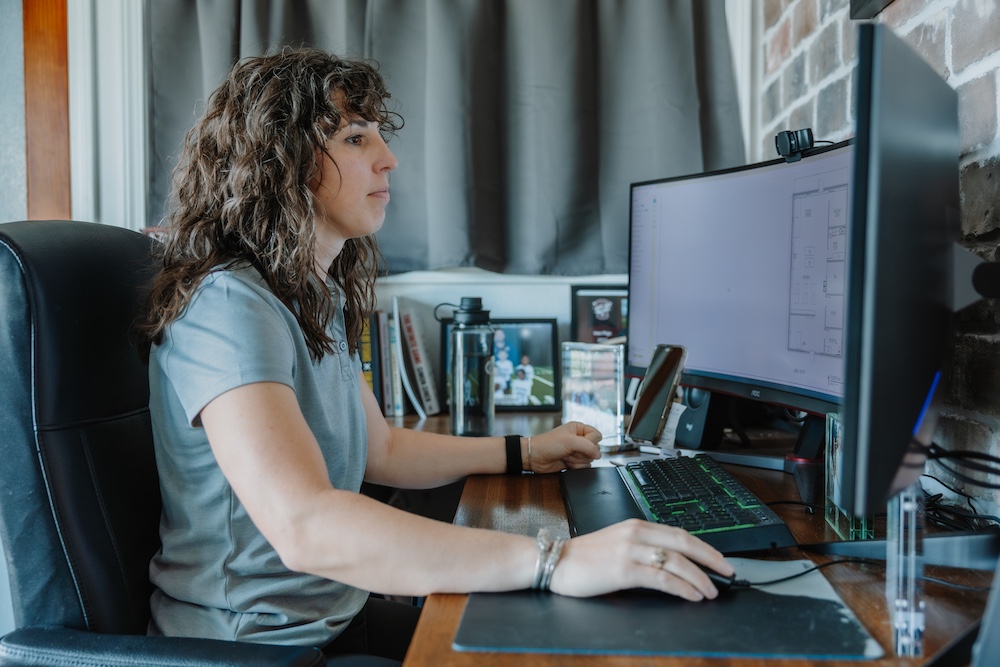
Operator-owners spend their time on the work that builds and grows a clinic, rather than the work that happens inside a treatment room. In practice, this looks like:
- Team leadership — recruiting, onboarding, and retaining clinical and administrative staff; setting the culture; running team meetings and accountability rhythms.
- Local marketing — building referral relationships with high school athletic departments, club sports teams, CrossFit affiliates, running and cycling clubs, orthopedic practices, and primary care providers in the community.
- Operational oversight — reviewing daily and weekly metrics, addressing patient experience issues, ensuring the front desk and intake systems run smoothly.
- Financial management — working through P&L reviews, payroll, vendor relationships, and the location’s overall budget.
- Community presence — representing the brand at local events, sponsorships, and partnership opportunities that drive awareness and trust in the market.
This is the work of running any high-touch service business — with the added context of operating inside healthcare. An operator-owner doesn’t need a clinical license to do any of it, but they do need to understand that they are responsible for creating the conditions under which excellent clinical care can happen consistently.
The Clinical Standard Stays Intact
A common concern — from prospective patients and from prospective owners themselves — is whether a clinic owned by a non-clinician can deliver the same clinical quality as one led by a practicing provider. At Alpha Sports, the answer is built into the model.
The Alpha Sports clinical framework was developed by Dr. Ben Bumguardner, DC, CCSP, who has served as a sports medicine provider for U.S. Olympic teams and at the CrossFit Games. The protocols clinicians follow inside every franchise location — the assessment standards, the treatment progressions, the multidisciplinary coordination between chiropractic, physical therapy, recovery, and the rest of the service mix — come directly from that operating standard.
In other words, the clinical quality of an Alpha Sports clinic is anchored to the framework Dr. Bumguardner built, not to the credentials of whoever owns the franchise. An operator-owner inherits that framework the moment they sign their franchise agreement. The clinicians they hire are trained against it, supported in delivering it, and held to it.
This is the architecture of franchising done well in a clinical context: the brand carries the clinical authority, and the franchisee carries the business and team-building responsibility.
Where Operator-Owners Have an Advantage
Operator-owners tend to thrive in several specific areas that clinician-owners can find harder to prioritize:
- Undistracted focus on growth. A clinician-owner who is also seeing patients has only so many hours left in the week for marketing, hiring, partnerships, and operations. An operator-owner doesn’t carry a treatment schedule, which leaves more hours available to grow the business.
- Cross-industry operational experience. Many operator-owners come from other service businesses — restaurants, gyms, retail concepts, other franchise systems — and bring proven systems for team management, customer experience, and local marketing that translate well into a clinic environment.
- A scaling mindset. Operator-owners often think in terms of building toward multi-unit ownership rather than maximizing a single location. Alpha Sports supports multi-unit development for franchisees who have the operational capacity and resources to take it on.
- Comfort with delegation. Hiring credentialed professionals and trusting them to do the clinical work — without second-guessing every decision — is a skill set most experienced business owners have already built in other industries. Inside a clinic, that comfort with delegation is what allows the system to run the way it’s designed to.
Where Clinician-Owners Have an Edge
It’s worth being honest about the other side. Clinician-owners bring real strengths an operator-owner has to develop differently:
- Built-in clinical credibility with patients, referring providers, and the local sports community on day one.
- Faster ramp on clinical hiring decisions, because they can evaluate candidates from inside their own training and experience.
- Direct rapport with the team they hire, because they speak the same professional language and have walked the same path.
Neither path is universally better. The right path depends on what the prospective owner actually brings to the table — and on what they want their day-to-day life inside the business to look like.
Is the Operator-Owner Path Right for You?
The operator-owner model tends to fit candidates who:
- Have experience running, managing, or owning a service business
- Are comfortable hiring, leading, and being accountable for licensed professionals they don’t supervise clinically
- Want to add a healthcare brand to a broader portfolio of businesses without changing careers
- See the long-term value of building a multidisciplinary clinic that serves a community over time
If that profile fits you, the operator-owner path at Alpha Sports is open. Our franchise development team works through state-specific structural questions, market viability for your intended location, and the clinical hiring plan during the discovery process.
To start that conversation, contact our franchise team at franchise@ASPMFranchise.com or (402) 852-5742.
Frequently Asked Questions
Do I need any medical or healthcare background to own an Alpha Sports franchise? No. The operator-owner path is specifically designed for entrepreneurs and business owners without clinical credentials. Clinical care is delivered by licensed clinicians hired into the location, and Alpha Sports provides the clinical framework, training, and ongoing support that sets the standard for that care.
Can I own more than one Alpha Sports location? Yes. Alpha Sports supports multi-unit development for franchisees with the operational capacity and resources to expand. Multi-unit plans are structured during the franchise discovery process.
Who hires the clinicians at my franchise location? The franchise owner is responsible for hiring decisions, with support from Alpha Sports on role definitions, candidate profiles, and onboarding standards. Clinical leads at each location are selected and trained against the Alpha Sports framework developed by Dr. Bumguardner.
Do state laws affect whether a non-clinician can own a sports medicine clinic? Healthcare ownership rules vary by state and by clinical discipline. The corporate practice of medicine doctrine, professional services structures, and management services organization (MSO) arrangements all factor into the right structure for a given market. Alpha Sports’ franchise development team works through these specifics with each candidate based on the state where the clinic will operate.
What ongoing support does Alpha Sports provide to operator-owners? Operator-owners receive the same clinical protocol updates, marketing systems, vendor relationships, technology platforms, and operational training as clinician-owners. The franchise system is designed so that the clinical standard is delivered consistently regardless of the owner’s background.